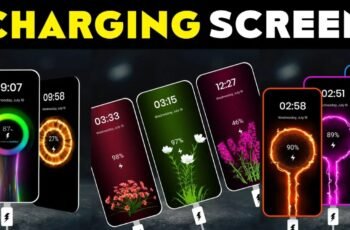
A gesture lock screen is a fun and modern way to secure your phone using a custom drawing, symbol, or signature instead of a plain PIN. It feels a bit like turning your screen into a secret door, where only your chosen motion can open it. Gesture-based locking apps are available on Google Play, and many of them let you create a personal unlock pattern or signature-style lock.
A good article on this topic should stay simple, friendly, and practical. That means using short sentences, clear benefits, and everyday examples so readers instantly understand why a gesture lock screen can be useful. Mobile security content also works better when it uses active voice, plain words, and easy structure for quick reading.
What Is Gesture Lock Screen?
A gesture lock screen is a phone security feature or app that lets you unlock your device by drawing a specific gesture on the screen. Instead of remembering a long password, you repeat a shape, line, letter, or signature that you created earlier. This makes the phone feel more personal, almost like a handwritten key.
Many gesture lock screen apps on Android focus on convenience and customization. They often allow background changes, sensitivity settings, and backup unlock options such as PIN or fingerprint, which adds a safety net if the gesture fails.
How Gesture Lock Screen Works
The process is usually simple. You install a gesture lock screen app, create your unique gesture, and save it in the app settings. After that, the phone checks whether your next drawing matches the saved gesture. If it matches, the phone unlocks.
Think of it like a fingerprint made with your hand movement. The app stores the shape you draw and compares future attempts against it. Some apps also let you adjust sensitivity, which can help the system recognize your gesture more accurately.
Setup Steps
Most apps follow a similar flow. First, download the app from Google Play, then set your gesture, and finally grant the needed lock screen permission. After that, test the lock a few times to make sure it responds properly.
A backup method matters too. A second option like PIN, password, or fingerprint can save you from trouble if your gesture becomes hard to remember or the screen doesn’t detect it correctly.
Why People Like It
People like gesture lock screen apps because they feel personal and easy to use. A custom gesture can be quicker than typing a password, especially when you are in a hurry or using one hand. It also adds a little style, which many users enjoy.
Another big reason is customization. You can often hide gesture traces, change the wallpaper, or set a signature-style unlock. That turns the lock screen from a boring gatekeeper into a small piece of digital personality.
Best Use Cases
A gesture lock screen works well for users who want a playful lock method on their Android phone. It suits people who enjoy personalization, mobile tricks, and easy access without typing. It also fits users who like trying different security apps for fun or convenience.
Security Considerations
A gesture lock screen can be convenient, but it should not be your only line of defense if you store sensitive data. Simple gestures may be easier for someone to guess or observe than a strong password. For that reason, backup security matters.
Use a gesture lock screen as part of a layered approach. Keep a second unlock method, choose a unique gesture, and avoid simple shapes that others could copy easily. That way, you get the style without giving up too much protection.
Smart Safety Tips
Pick a complex gesture that is easy for you to remember but hard for others to imitate. Avoid obvious shapes like a straight line or a basic square. Also, enable extra security features whenever the app offers them.
Gesture Lock Screen for Android Users
Most gesture lock screen apps are made for Android, and many are listed on Google Play. These apps often target users who want a signature-style lock, draw-to-unlock feature, or custom screen design. That makes the Android experience flexible and visually appealing. Some apps also market themselves as “signature lock” or “draw to unlock” tools. These names point to the same basic idea: your gesture becomes your unlock code. It is a neat blend of utility and style.